
Introduction to Yamaha FZ Flex Fuel
The Yamaha FZ Flex Fuel marks an important development in the motorcycle industry, reflecting the increasing demand for environmentally friendly transportation solutions. Launched recently, this innovative motorcycle showcases Yamaha’s commitment to sustainability by integrating flexibility in fuel options, allowing users to operate the bike efficiently on both petrol and ethanol-blended fuels. Such flexibility not only enhances fuel efficiency but also reduces greenhouse gas emissions, aligning with modern ecological standards.
The significance of the Yamaha FZ Flex Fuel extends beyond its environmental benefits; it also addresses the diverse preferences of riders inclined towards more sustainable fuel choices. The growing trend towards ethanol blends, which can be derived from renewable resources, underscores the need for manufacturers to adapt their products to meet these evolving consumer demands. Consequently, the introduction of the FZ Flex Fuel represents a pivotal step towards bridging the gap between performance and environmental responsibility.
As Yamaha unveils this new model, it sets a precedent for innovation in the motorcycle segment, encouraging other manufacturers to explore similar options. The FZ Flex Fuel is engineered to deliver an engaging riding experience while promoting a cleaner environment, appealing to both seasoned motorcyclists and new riders. In this context, the integration of flexible fuel compatibility not only enhances the usability of the motorcycle but also provides a distinct advantage in a competitive market.
Understanding Flex Fuel Technology
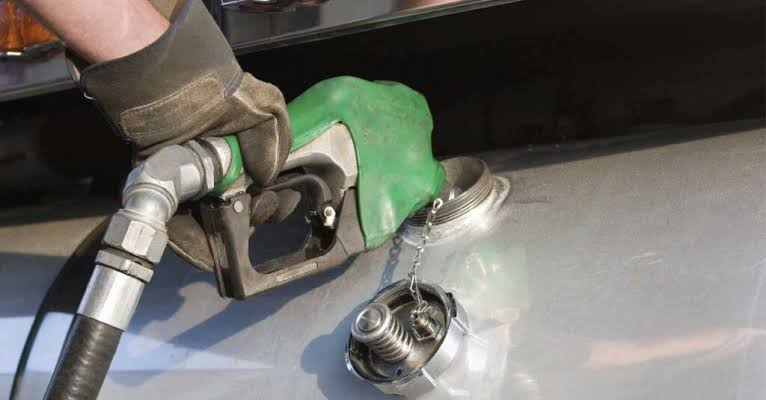
Flex fuel technology represents a significant advancement in the automotive industry, particularly in the realm of fuel efficiency and environmental sustainability. This technology enables vehicles to operate on multiple fuel types, primarily gasoline and ethanol blends. Ethanol, derived from plants such as corn or sugarcane, is considered a renewable resource; hence, its use in flex fuel systems presents a promising alternative to traditional fossil fuels.
At the core of flex fuel technology is the capability of vehicles to adapt to various ethanol concentrations, commonly ranging from E10 (10% ethanol, 90% gasoline) to E85 (85% ethanol, 15% gasoline). This adaptability is facilitated by advanced engine control systems that automatically adjust engine parameters to optimize performance based on the fuel composition used. Such a system bolsters fuel efficiency, allowing for an effective power output while minimizing energy wastage.
The benefits of utilizing ethanol blends extend beyond mere engine performance. One of the significant advantages of flex fuel vehicles is their reduced carbon emissions compared to traditional gasoline engines. Ethanol burns cleaner, resulting in lower levels of harmful pollutants released into the atmosphere. Additionally, the use of domestic ethanol can enhance energy independence, reducing reliance on imported oil and improving energy security.
Furthermore, the environmental impact of flex fuel technology cannot be understated. With the increasing concern over climate change and greenhouse gas emissions, adopting flex fuel vehicles represents a responsible choice for environmentally conscious consumers. By integrating renewable fuels like ethanol into their operations, flex fuel vehicles contribute to a decrease in overall carbon footprints, positively impacting air quality and supporting sustainable agricultural practices.
In essence, flex fuel technology not only enhances the versatility of modern vehicles but also serves as a crucial component in the transition towards cleaner energy solutions, fostering a more sustainable transportation future.
Ethanol Compatibility of Yamaha FZ
The Yamaha FZ Flex Fuel has been designed to accommodate a range of ethanol fuel blends, making it an adaptable choice for environmentally conscious riders. Specifically, this motorcycle is compatible with E10 and E20 blends. E10 fuel consists of 10% ethanol and 90% gasoline, while E20 includes 20% ethanol. Both blends allow riders to experience the benefits of ethanol use, which are known to include lower greenhouse gas emissions and reduced dependency on fossil fuels.
Yamaha has provided recommendations concerning the types of ethanol blends suitable for use in the FZ Flex Fuel. For optimal performance and longevity of the engine, it is advisable for owners to utilize E10 as a standard fuel option. This blend ensures that the motorcycle runs smoothly without affecting engine performance. The use of E20 is particularly encouraged in regions where it is more readily available, although riders should monitor the vehicle’s performance and any changes in fuel consumption, as higher ethanol content can lead to variations in mileage, particularly under specific riding conditions.
In technical terms, Yamaha has emphasized the importance of maintaining proper engine management settings when using ethanol fuels. Ethanol contains a higher oxygen content compared to traditional gasoline, which can affect combustion characteristics. Therefore, while the Yamaha FZ Flex Fuel is built to accommodate these compositions, ensuring routine maintenance and periodic checks on fuel system components such as fuel injectors and filters can enhance overall engine performance and durability.
In conclusion, the ethanol compatibility of the Yamaha FZ Flex Fuel underscores its commitment to environmental stewardship while providing flexibility for riders to choose cleaner fuel alternatives.
Mileage of Yamaha FZ Flex Fuel
The mileage of the Yamaha FZ Flex Fuel is a key consideration for potential buyers, especially given the rising popularity of ethanol blends in the fuel market. When utilizing ethanol blends, riders can generally expect a variance in mileage compared to conventional gasoline. Ethanol typically has a lower energy content, which may lead to a slight reduction in overall fuel efficiency. However, it is important to note that the Yamaha FZ Flex Fuel is designed specifically to accommodate these blends, potentially minimizing the impact on mileage.
Tested under optimal riding conditions, the Yamaha FZ Flex Fuel is anticipated to deliver a mileage in the range of 40 to 45 kilometers per liter when using a standard gasoline blend. In contrast, when operating on ethanol, the expected mileage may drop to around 35 to 40 kilometers per liter. This difference places emphasis on understanding the specific fuel you choose and its implications for efficiency.
Several variables may affect the actual mileage achieved with the Yamaha FZ Flex Fuel. Riding conditions, for instance, play a significant role; aggressive riding or frequent stops can lead to suboptimal fuel efficiency. On the other hand, maintaining proper tire pressure and adhering to regular maintenance schedules can positively influence mileage. Additionally, the calibration of the engine ECU for ethanol use may optimize the bike’s performance, allowing for improved mileage compared to other models not designed for this fuel type.
Ultimately, while the mileage figures for the Yamaha FZ Flex Fuel under ethanol blends may demonstrate a slight reduction, many riders may find the trade-off acceptable given the benefits of using a greener fuel alternative. This makes the bike not only a cost-effective choice but also an environmentally conscious one, aligning with modern fuel efficiency standards.
On-Road Price of Yamaha FZ Flex Fuel
The on-road price of the Yamaha FZ Flex Fuel is an essential aspect for potential buyers to consider, as it includes not only the base price of the motorcycle but also several additional costs that vary by region. To begin with, the base price of the Yamaha FZ Flex Fuel is set at a competitive rate, which is influenced by various factors, including features, technology, and overall performance.
In addition to the base price, buyers need to account for taxes applicable in their respective states or regions. These taxes can generally include Goods and Services Tax (GST) and other state-specific levies. The combination of these taxes can significantly impact the overall cost, with some locations adding a higher tax percentage due to different regulations.
Registration fees are another component of the on-road pricing structure. These fees often vary based on the engine capacity of the vehicle and the state where the motorcycle is being registered. Moreover, any additional costs, such as insurance premiums and handling fees, should also be factored into the total on-road price. Insurance coverage is particularly important as it affects the security of your investment in the motorcycle.
Furthermore, promotional offers from Yamaha or its dealerships may also come into play. Discounts or financing options can reduce the overall on-road price, making the Yamaha FZ Flex Fuel more accessible to a wider audience. Therefore, it is advisable for potential buyers to conduct thorough research and visit local dealerships to obtain precise quotes that account for all these factors.
Design and Features of Yamaha FZ Flex Fuel
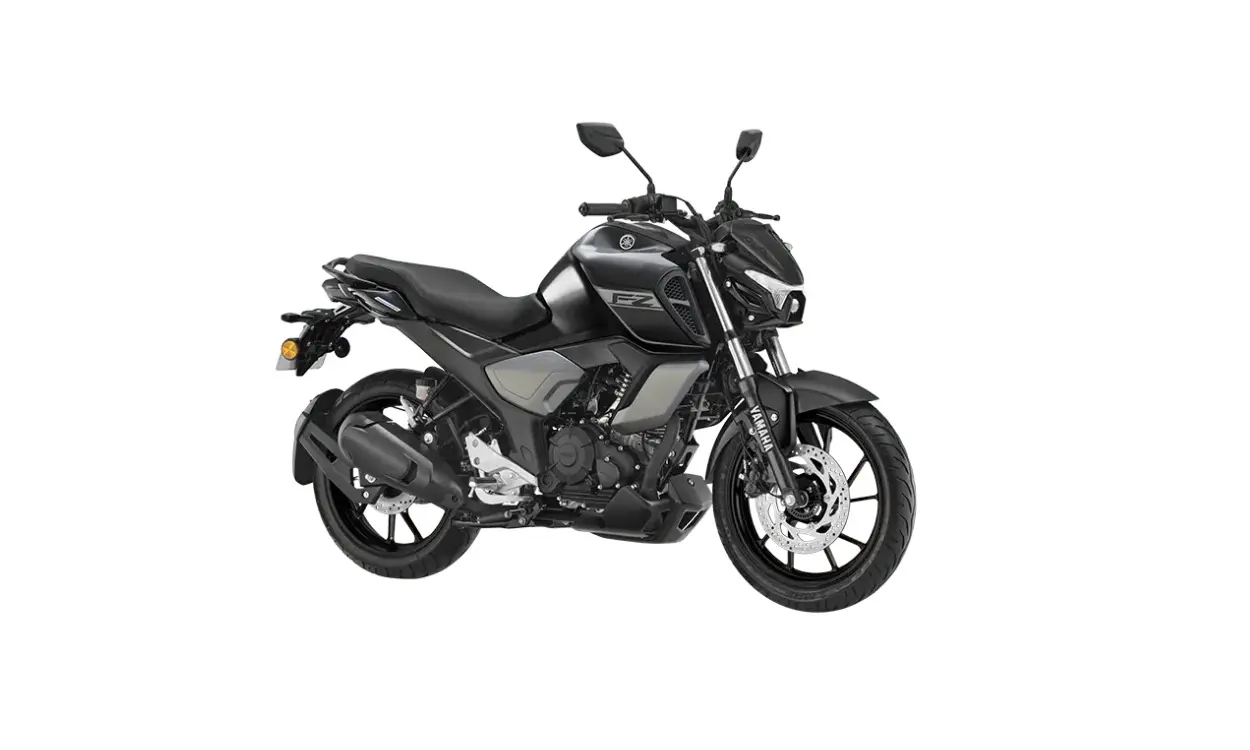
The Yamaha FZ Flex Fuel motorcycle presents a modern and aggressive design that captures the essence of youthfulness and performance. Its muscular aesthetics are complemented by sharp lines and a dynamic stance, making it appealing to both new riders and seasoned motorcycle enthusiasts. The bodywork is meticulously crafted to enhance aerodynamic efficiency while providing a commanding road presence.
One of the standout features of the FZ Flex Fuel is its innovative use of technology. The instrument cluster is equipped with a fully digital display that not only provides essential riding information—such as speed, fuel level, and trip data—but also incorporates features like a fuel-efficiency indicator. This promotes immediate feedback on riding behavior, encouraging more economical usage of the flex-fuel capability.
Comfort is another cornerstone of the FZ Flex Fuel’s design. The seating position is ergonomically designed to offer maximum comfort across both short commutes and longer rides. The seat is plush and spacious, accommodating both rider and passenger effortlessly. Additionally, the handlebar and footpeg placement ensures that almost any rider can find a comfortable riding posture, thereby enhancing the overall riding experience.
Special features such as LED headlamps enhance visibility and style, while a robust chassis ensures stability even at high speeds. The motorcycle is also fitted with a reliable braking system that complements its powerful engine, providing riders with confidence and control in various riding conditions. With its blend of aggressive styling, advanced technology, and comfort, the Yamaha FZ Flex Fuel stands out in a crowded segment, attracting attention for its unique offerings.
Performance Review
The Yamaha FZ Flex Fuel is designed to deliver an exhilarating riding experience, combining modern technology with traditional performance characteristics. The bike’s handling is particularly noteworthy, benefiting from a lightweight frame that enhances agility and maneuverability, allowing riders to navigate through urban traffic and twisty roads with ease. Test rides have shown that the FZ Flex Fuel exhibits excellent cornering capabilities, providing confidence to riders in various riding conditions.
Acceleration is one of the standout features of the Yamaha FZ Flex Fuel. Powered by a robust engine specifically tuned for both petrol and ethanol blends, it responds swiftly to throttle inputs, ensuring a vigorous acceleration that is often required in city riding scenarios. Expert reviews highlight that the bike performs well not only in short bursts but also allows for sustained high-speed performance on highways, making it versatile for varied riding environments.
Braking performance is equally critical in evaluating the FZ Flex Fuel’s capabilities. The motorcycle is equipped with a reliable braking system that includes disc brakes at both the front and rear. During the test rides, riders have noted the bike’s ability to bring it to a quick stop, with minimal effort required on the brake lever. The front disc brake, in particular, offers strong bite and feedback, contributing to an overall safe riding experience.
Furthermore, the overall ride quality of the Yamaha FZ Flex Fuel is enhanced by its suspension setup. Cited by riders as being well-balanced, the suspension absorbs bumps and imperfections on the road effectively, reducing fatigue during longer journeys. This balance promotes a comfortable riding stance, which is ideal for both commuter use and recreational rides.
Target Demographics and Market Competition
The Yamaha FZ Flex Fuel is designed to appeal to a diverse range of riders, primarily focusing on urban dwellers and young adult enthusiasts who value both performance and eco-friendliness. Riders aged between 18 to 35 are increasingly leaning towards motorcycles that not only provide decent performance but also support renewable energy solutions like ethanol fuel. This demographic often seeks affordable yet stylish options, which make the Yamaha FZ Flex Fuel an appealing choice. Additionally, the bike’s fuel efficiency and lower environmental impact add to its attractiveness, especially for eco-conscious consumers.
Furthermore, the urban commuter market is a significant target for this model, as many individuals seek reliable vehicles for daily travel through congested city streets. The combination of the FZ Flex Fuel’s agile handling and cost-effectiveness makes it well-suited for this audience. The motorcycle also includes features that cater to a young rider’s need for connectivity and convenience, which can easily enhance their everyday riding experience.
In terms of market competition, the Yamaha FZ Flex Fuel faces notable rivals, including the Bajaj Pulsar NS200 and TVS Apache RTR 200. Both competitors offer their own strengths, such as performance metrics and price points. The Pulsar NS200, for example, is recognized for robust power delivery and sporty aesthetics, while the TVS Apache is known for its advanced technology and features aimed at performance-oriented riders. Each of these models presents a unique value proposition, which Yamaha must continuously analyze in its efforts to capture market share.
Moreover, with the increasing adoption of flex-fuel vehicles, Yamaha’s choice to introduce ethanol compatibility is strategically beneficial in positioning the FZ series as a forward-thinking option for consumers looking for sustainable transport alternatives in a competitive marketplace.
Conclusion and Future Prospects
The Yamaha FZ Flex Fuel marks a significant step forward in the motorcycle industry, particularly with its compatibility with ethanol-blended fuels. This innovative feature not only aligns with global trends towards sustainable energy but also caters to the growing demand for environmentally friendly vehicles. The integration of flex fuel capability provides riders with the flexibility to choose between petrol and ethanol, thereby optimizing fuel efficiency and reducing overall carbon emissions. Yamaha’s decision to introduce this model reflects its commitment to addressing current environmental challenges and adapting to changing consumer preferences.
Furthermore, the Yamaha FZ Flex Fuel has received positive feedback regarding its performance metrics, particularly in terms of mileage and overall riding experience. Considering Yamaha’s track record for reliability and innovation, this offering is well-positioned in the market. The mileage figures are competitive, ensuring that riders can travel longer distances without the need for frequent refueling, a crucial factor for those who embark on long rides or commutes.
Looking forward, there are ample opportunities for enhancements and expansions within the FZ lineup. To remain competitive, Yamaha may consider introducing upgraded features such as advanced connectivity options, enhanced safety measures, and customization choices. The shift towards electric variants or hybrid models could also be an exciting avenue for future development, as the automotive industry continues to evolve alongside technological advancements.
For potential buyers, the Yamaha FZ Flex Fuel presents an excellent option to consider. Its unique features, combined with Yamaha’s reputation for quality, make it an attractive motorcycle for both new and seasoned riders. As the market trends shift and consumer preferences evolve, the FZ Flex Fuel may very well redefine what riders expect from modern motorcycles.